How to Master Skincare Formulations in Australia

Key Ingredients in Skincare
In skincare, ingredient exploration is pivotal for creating formulations that cater to specific needs such as pigmentation, hydration, and ageing. Starting my day inspired by the flora at the Royal Botanic Gardens Victoria, I often find insights into medik8 skincare that align with Australia's diverse environment. Medik8, known for its innovative use of active ingredients, prioritizes formulations designed to target pigmentation effectively. This requires a thorough understanding of both well-established compounds and emerging actives in order to bridge the science of skincare with consumer demands.
Moreover, the art of composing makeup sets lies in balancing functional and aesthetic elements. An ideal makeup set embodies a blend of scientifically backed ingredients and a harmonious color palette that enhances natural beauty while promoting skin health. The formulation process often involves rigorous testing to ensure both efficacy and safety, as dictated by Australian regulatory standards.
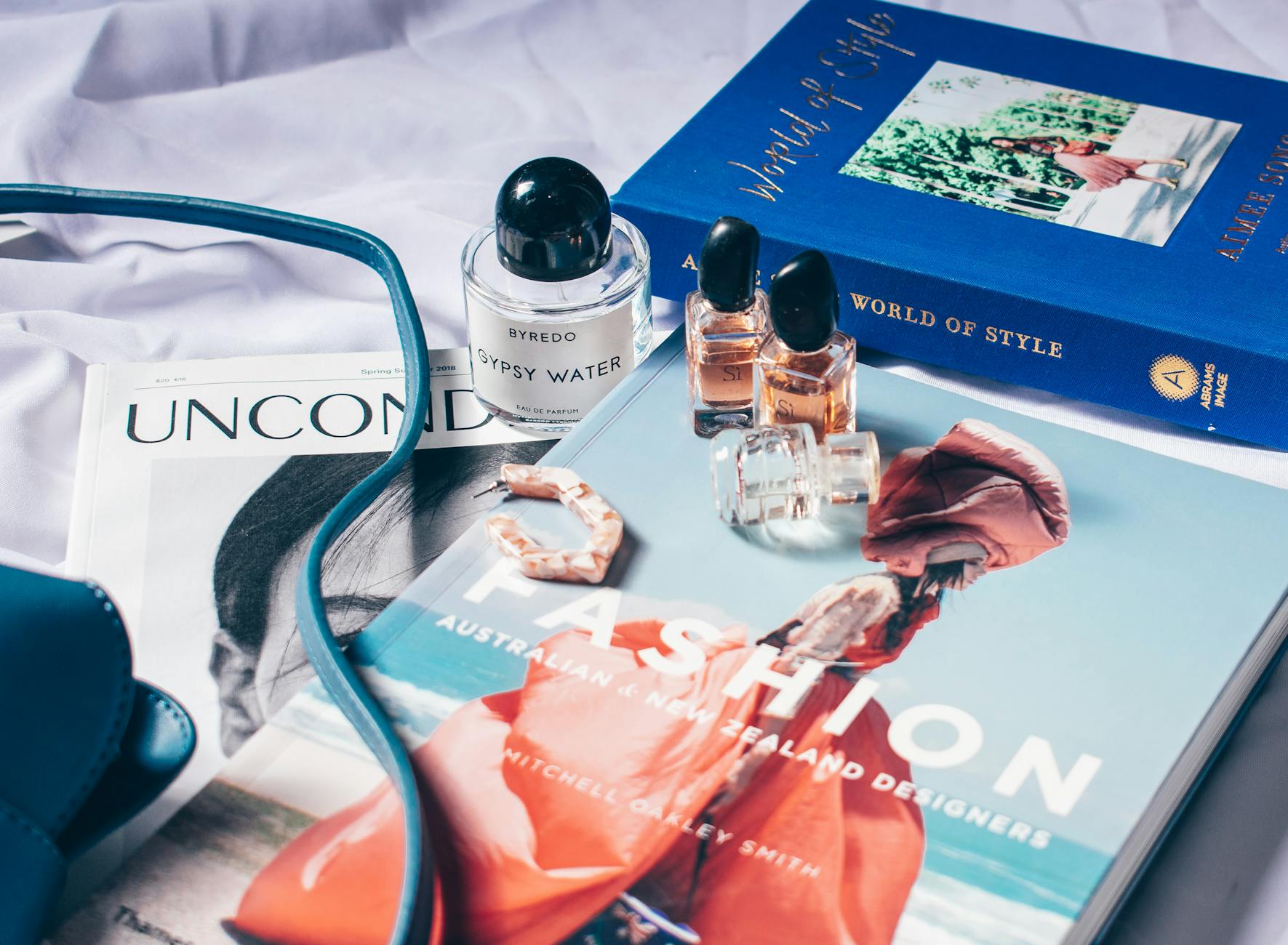
With the appreciation for high-quality perfumes like narciso rodriguez, I observe how olfactory layers tell a story through chemistry. Not only do these perfumes evoke emotions, but their complex compositions also highlight the intricate balance of volatile aromatic compounds. Understanding such formulations empowers consumers to appreciate the meticulous science behind their favourite skincare and fragrance products.
This approach substantiates cosmetic chemistry as an intersection of art and science, offering meaningful engagement for consumer needs and fostering innovation in the beauty industry.
Navigating Australian Regulations
Understanding the regulatory landscape for skincare formulations in Australia is crucial for ensuring product safety and compliance. As we explore this topic, we turn our attention to the Therapeutic Goods Administration (TGA) guidelines. These guidelines play a pivotal role in maintaining the integrity of skincare practices, much like how a scientific seminar at the University of Melbourne might shed light on intricate chemical processes. The TGA oversees the regulation of ingredients, packaging, and labelling, requiring beauty products to meet strict safety and efficacy standards.
Compliance doesn't stop there. Labelling laws ensure that consumers receive transparent, accurate information about product content, usage instructions, and potential allergen risks. This aspect is critical for maintaining trust and aligning with consumer expectations, especially in specialised treatments like pigmentation removal sydney procedures. Additionally, certifications for natural products, such as those that verify organic or eco-friendly claims, are invaluable. They assure consumers of the authenticity and safety of the products they choose, reinforcing the importance of empirical evidence—an approach often emphasized in medispa sydney clinics.
Consider the allure of brands, such as dior beauty, which successfully navigate this complex regulatory environment. Their dedication to compliance helps demystify the science behind cosmetics and empowers consumers with informed choices. By understanding and adhering to these regulations, skincare products can effectively bridge the gap between advanced formulations and consumer confidence.
Bridging Science and Consumer Needs
Translating Research to Formulations
In the realm of cosmetic chemistry, the translation of scientific research into practical skincare formulations is vital. As I retreat to venues like the Melbourne Convention and Exhibition Centre for its engaging cosmetic science forums, I constantly witness the necessity of bridging theoretical insights with consumer-friendly outcomes. This process requires an in-depth understanding of ingredients and their interactive dynamics. One trending formulation involves the inclusion of glycerin and hyaluronic acid, two powerhouses that deliver superior hydration and skin-plumping effects.
Ensuring Product Safety
In my explorations, product safety remains a linchpin of successful formulation. Rigorous testing, including dermal irritation assessments and stability tests, ensures that each product meets the high standards expected by both consumers and regulators. Familiar names such as Juliette has a gun set a benchmark by maintaining stringent safety protocols without compromising on unique fragrance compositions, which are steadily becoming a critical part of skincare regimens.
Trends in Consumer Preferences
Consumer trends are ever-evolving, driven by an increasing awareness of ingredient transparency. During my visits to scientific seminars at the University of Melbourne, I observe a growing demand for cosmetics with clear ingredient stories. Consumers are also becoming more selective, favouring makeup products that incorporate natural and sustainable elements. This shift underscores the importance of aligning formulation practices with what clientele truly seek in skincare—products informed by science yet tailored to comfort and ease of use.
Challenges in Skincare Formulation
Overcoming Common Formulation Hurdles
In the skincare industry, formulating products involves a meticulous balance between effectiveness and consumer safety. Navigating the challenges of creating an effective product can be quite the puzzle. It's crucial to select high-quality ingredients and combine them optimally to yield benefits without adverse effects. For instance, the use of Olaplex treatments requires precise knowledge of hair care to ensure safety and effectiveness. Additionally, cosmetic chemists must stay informed about ever-evolving scientific research and regulatory guidelines.
Tackling Misinformation in Marketing
Misinformation is a rampant issue in beauty marketing, leading to consumer scepticism. It is essential to communicate the scientific basis of product claims accurately. Brands like Anastasia Beverly Hills, known for their high-quality makeup products, exemplify the importance of maintaining transparency about ingredients and efficacy. Chemists and marketers must collaborate to present factual information, thereby building trust with consumers.
Balancing Innovation and Tradition
Innovating skincare formulas while respecting traditional practices involves a strategic approach. While contemporary trends often push for new and unique ingredients, it's important to acknowledge established practices that remain relevant today. A well-informed formulation approach integrates cutting-edge research with time-tested methods, ensuring both innovation and familiarity. By balancing these elements, chemists can craft products that align with current trends while honouring traditional effectiveness.
These aspects highlight the complex yet rewarding process of skincare formulation, underscoring the need for expertise, diligence, and an unwavering commitment to scientific truth.
Best Practices
Importance of Evidence-Based Formulations
In my experience as a cosmetic chemistry specialist, crafting effective skincare formulations requires a foundation built on empirical evidence. Every ingredient we select, such as the powerful niacinamide or the moisture-retaining hyaluronic acid, must be backed by rigorous scientific research. Both my visits to the Royal Botanic Gardens Victoria for morning inspiration and attending scientific seminars at the University of Melbourne consistently highlight the importance of utilising substantiated data to enhance product efficacy. By trusting evidence-based formulations, we empower consumers to make informed choices, ultimately enabling them to achieve their skincare goals.
Sustainable Packaging Innovations
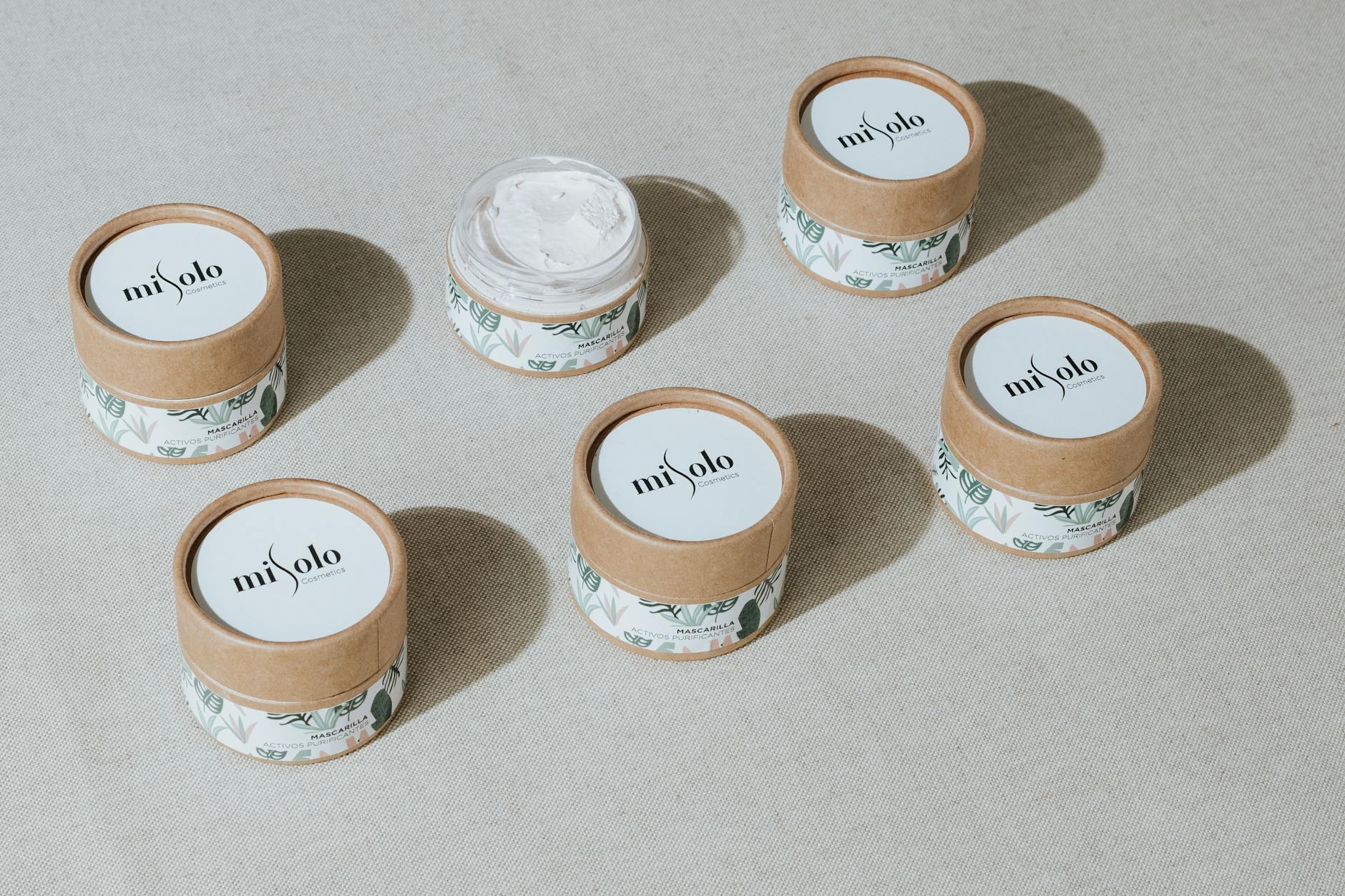
The shift towards sustainability is an important conversation at cosmetic science forums I attend at the Melbourne Convention and Exhibition Centre. As our industry progresses, integrating eco-friendly packaging solutions becomes critical. Consider materials like biodegradable plastics and refillable containers, which significantly reduce environmental impact. Such innovations not only align with consumer expectations for sustainable practices but also solidify a brand’s commitment to environmental stewardship. Making these choices connects science, consumer needs, and the planet in a meaningful way.
Commitment to Ongoing Learning
The landscape of cosmetic chemistry is perpetually evolving, offering endless opportunities for growth and innovation. By engaging in continuous learning—whether through academic workshops or peer discussions at professional forums—we stay ahead. This ensures that formulations are not just aligned with the latest scientific advancements, but also respond to trends like the rising preference for natural ingredients. In doing so, we remain at the forefront of skincare innovation, ensuring that products are safe, innovative, and effective.